Orthopaedic Services
Trauma
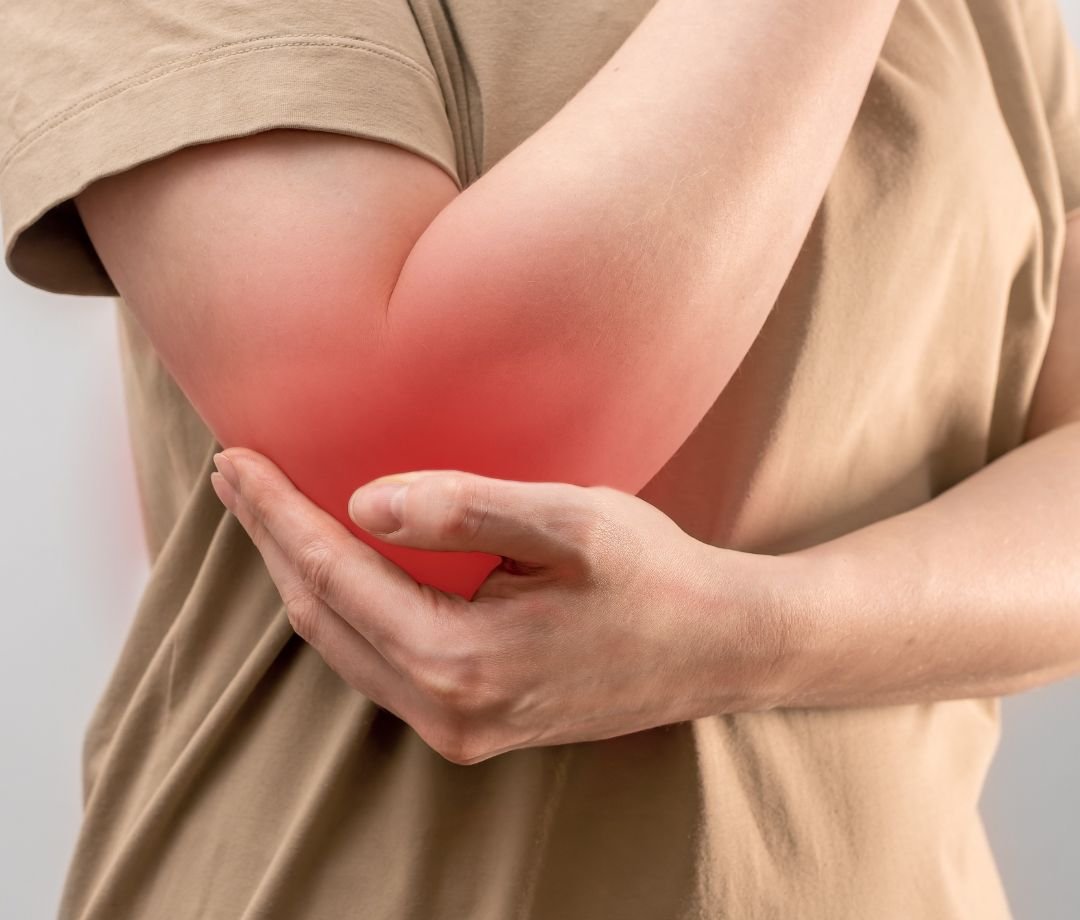
Orthopedic Dr. Shantanu Kudgir specializes in the diagnosis and treatment of various traumatic injuries to ensure the best possible outcome and recovery. on his diagnosis Early and appropriate treatment has a significant impact on the long-term function and quality of life of individuals with orthopedic trauma.
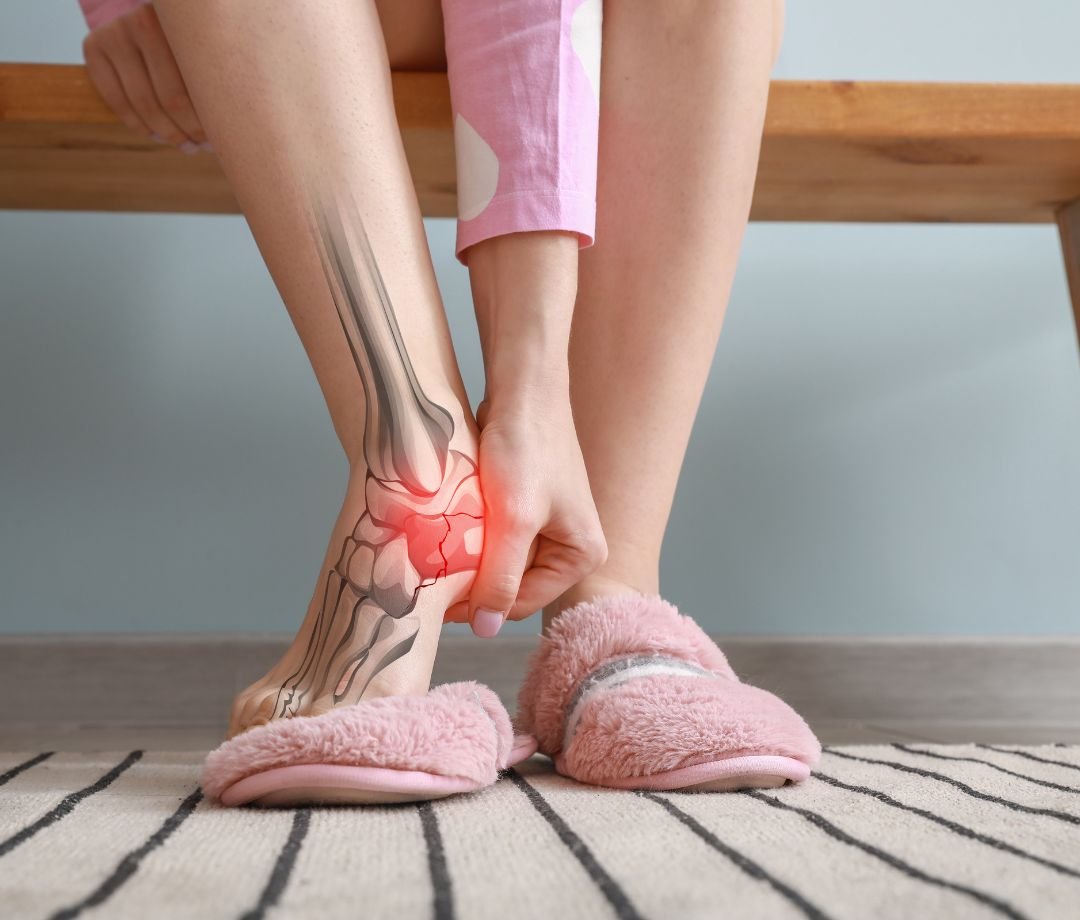
Fractures: Fractures are one of the most common types of orthopedic trauma. They occur when a bone is broken due to direct force or impact. Fractures can be simple or complex, and they may require different treatments based on their location and severity.
Soft Tissue Injuries: Orthopedic trauma can also involve damage to the soft tissues surrounding bones and joints. This may include injuries to muscles, ligaments, tendons, and nerves. Soft tissue injuries can result in pain, swelling, and limited mobility.
Dislocations: A dislocation occurs when the bones in a joint are forced out of their normal position. This can lead to significant pain, swelling, and loss of function in the affected joint. Prompt medical attention is crucial to relocate the joint and manage the injury properly.
Open Fractures: Open fractures, also known as compound fractures, occur when the broken bone protrudes through the skin. These injuries pose a higher risk of infection and require immediate medical attention and surgical treatment.
Treatment: The treatment of orthopedic trauma varies depending on the type and severity of the injury. It may involve conservative approaches such as splinting, casting, or bracing for minor fractures, or surgical interventions such as open reduction and internal fixation (ORIF) for more complex fractures. Soft tissue injuries may require rest, physical therapy, or surgical repair.
Rehabilitation: After orthopedic trauma, rehabilitation plays a vital role in helping patients regain strength, mobility, and function. Physical therapy is often prescribed to aid in the recovery process and to prevent complications such as joint stiffness and muscle atrophy.
Complications: Orthopedic trauma can lead to various complications, such as infection, nonunion (failure of the bone to heal properly), malunion (healing of the bone in an abnormal position), nerve damage, and chronic pain. Close monitoring and follow-up care are necessary to address these issues if they arise.
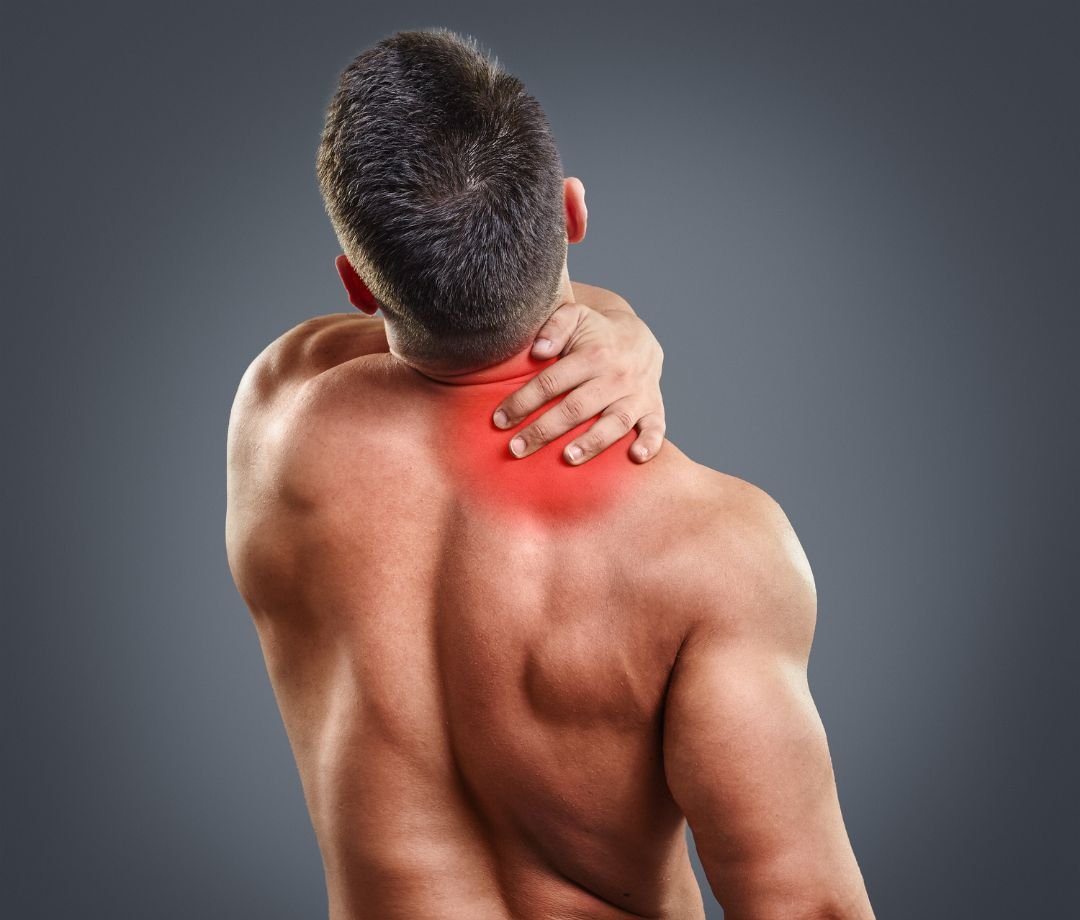
Spine surgery
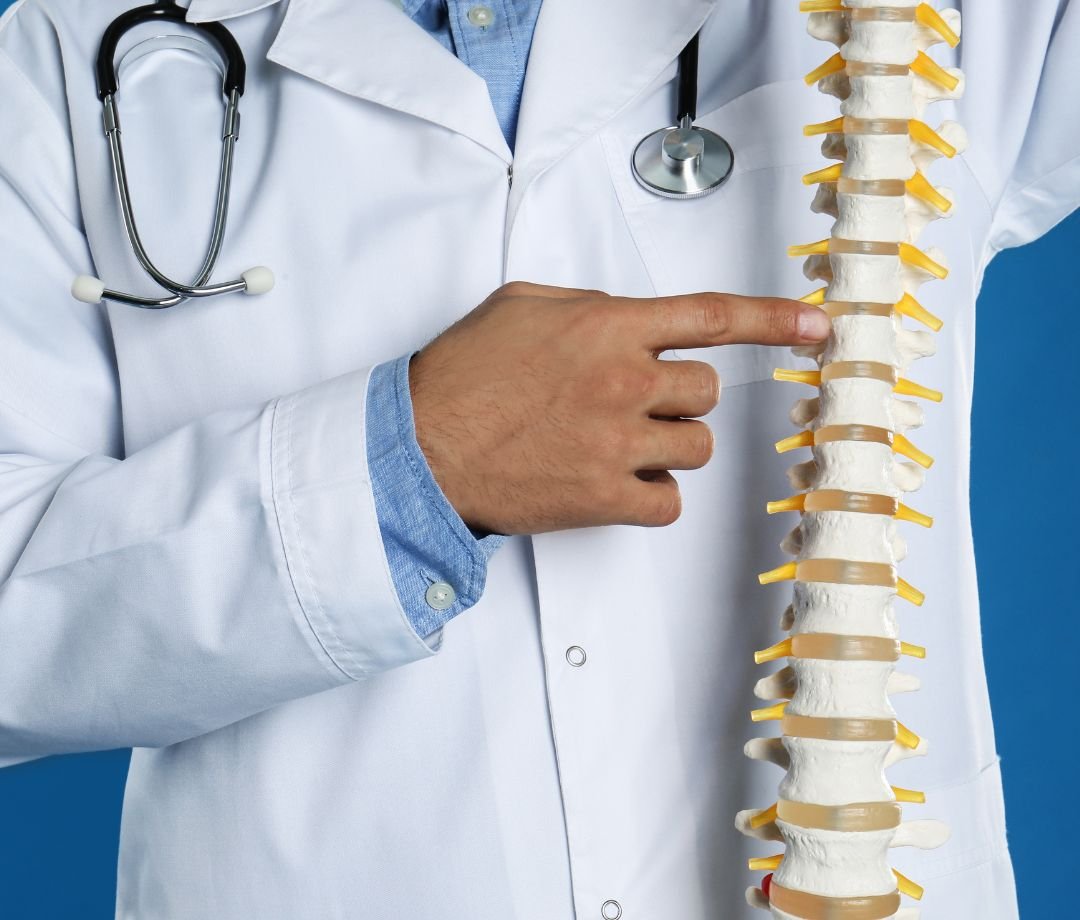
There are different types of spine surgeries, and the choice of procedure depends on the specific condition and its severity. Some common spine surgeries include:
Spinal Fusion: This surgery involves permanently connecting two or more vertebrae to restrict movement and stabilize the spine. It is often used to treat conditions such as spinal instability, degenerative disc disease, and certain types of spinal deformities.
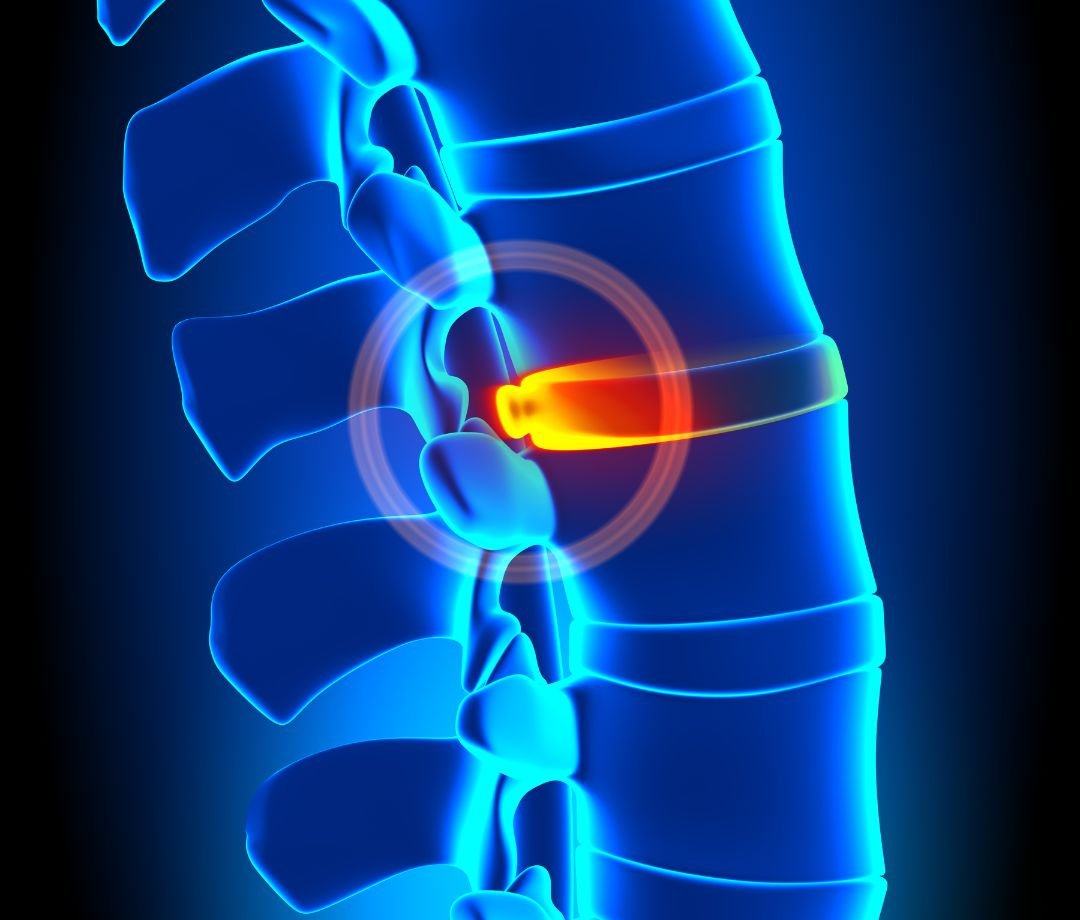
Discectomy: A discectomy involves removing part or all of a damaged intervertebral disc that may be pressing on spinal nerves, causing pain and other symptoms.
Laminectomy: A laminectomy is the removal of the lamina (a part of the vertebral bone) to relieve pressure on the spinal cord and nerves. It is commonly performed to treat spinal stenosis.
Microdiscectomy: A minimally invasive discectomy that uses a smaller incision and specialized instruments to remove the herniated portion of a disc. Artificial Disc Replacement: This procedure involves replacing a damaged or degenerated disc with an artificial disc to preserve spinal motion and function.
Minimally Invasive Techniques: Advancements in medical technology have led to the development of minimally invasive spine surgery techniques. These procedures use smaller incisions and specialized instruments, resulting in reduced tissue damage, faster recovery, and less post-operative pain.
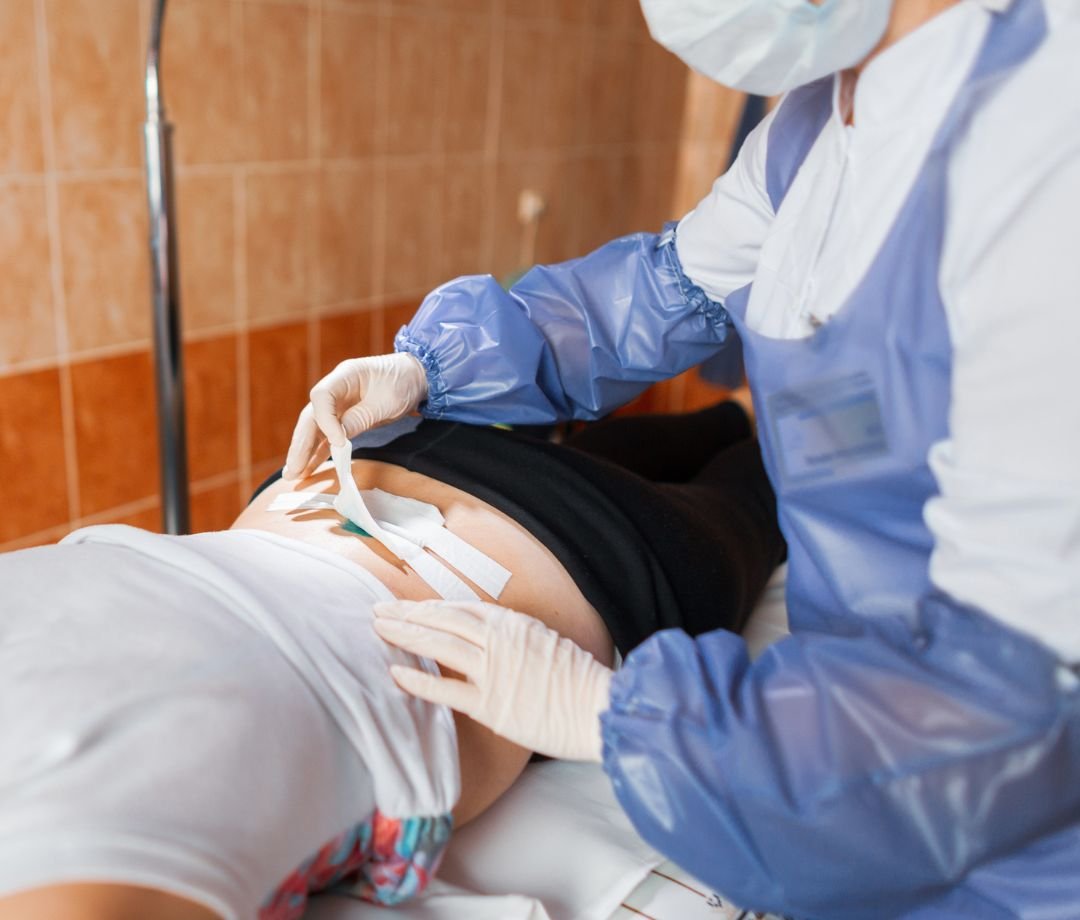
Risks and Benefits: Like any surgical procedure, spine surgery carries risks, such as infection, bleeding, nerve damage, and blood clots. However, for many patients, the benefits of spine surgery can significantly improve their quality of life by reducing pain, restoring function, and preventing further progression of the spinal condition.
Post-Operative Care: After spine surgery, patients may need to undergo physical therapy and rehabilitation to regain strength, flexibility, and mobility. Compliance with post-operative care instructions and follow-up visits with the surgeon are essential for a successful recovery.
Patient Eligibility: Not all spinal conditions require surgery, and spine surgery is typically considered after a thorough evaluation by a spine specialist. The decision to undergo surgery is made collaboratively between the patient and the healthcare provider based on the individual’s medical history, symptoms, imaging results, and overall health.
It’s important for patients to have a comprehensive discussion with their orthopedic surgeon or spine specialist to fully understand the potential benefits, risks, and expectations associated with spine surgery.
Paediatric Trauma
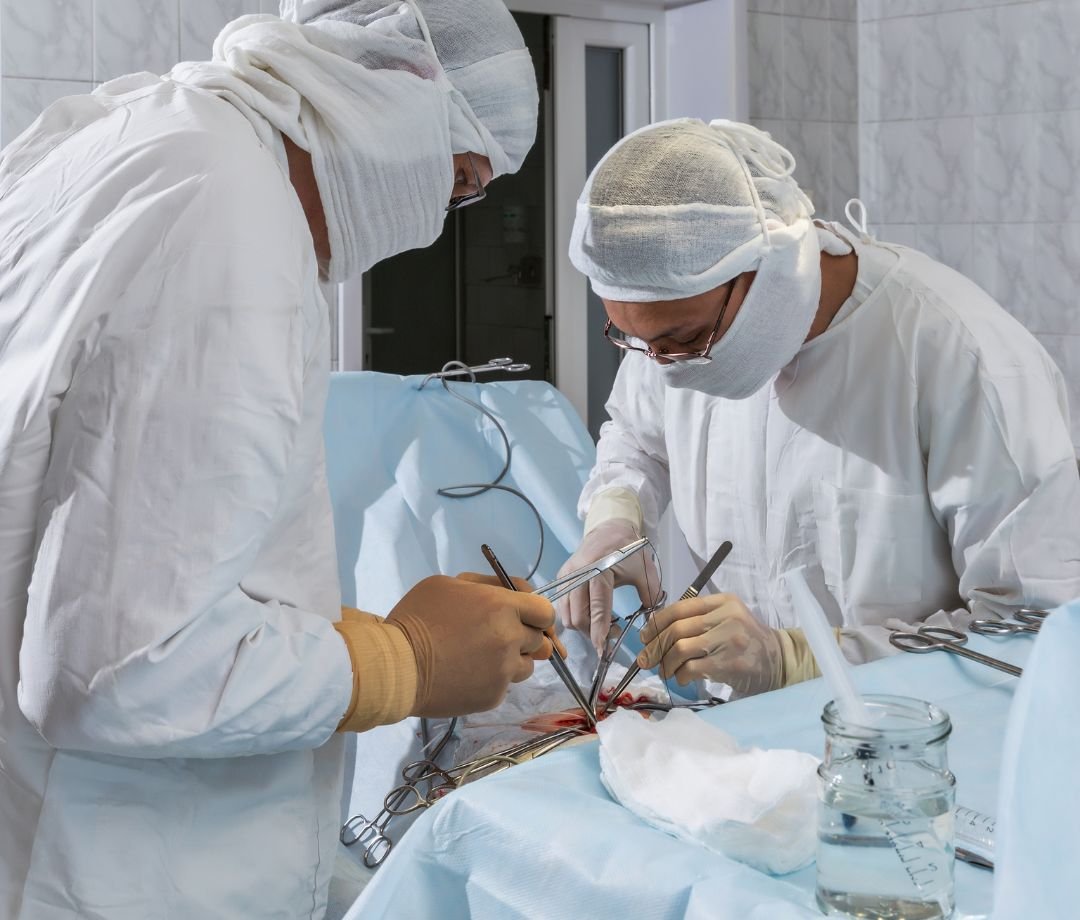
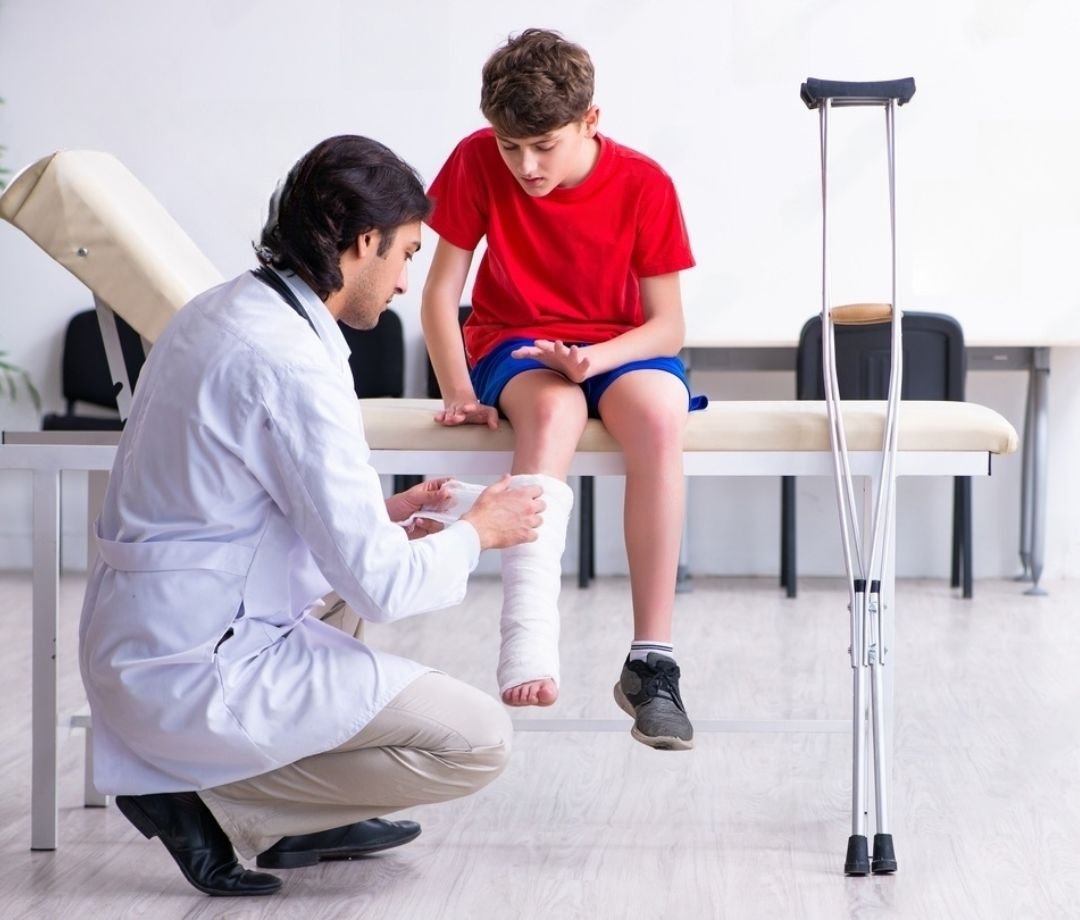
Pediatric orthopedic surgeons and specialized pediatric trauma centers are well-equipped to manage injuries and fractures in children and adolescents. Early and proper treatment is vital to support proper healing and minimize the long-term impact of trauma on a child’s growth and development.
Types of Injuries: Pediatric trauma can involve a wide range of musculoskeletal injuries, including fractures, dislocations, sprains, strains, and soft tissue injuries. Fractures are especially common and can affect any bone in the body. Children’s bones are still growing, which can lead to unique fracture patterns, such as growth plate fractures or greenstick fractures.
Growth Plate Injuries: Growth plates are areas of cartilage located at the ends of long bones in children and adolescents. These plates are responsible for bone growth. When injured, growth plates require special attention, as improper treatment can lead to growth disturbances or limb length discrepancies as the child grows.
Assessment and Diagnosis: Prompt and accurate diagnosis is essential in pediatric trauma. Orthopedic specialists will conduct a thorough physical examination, review the child’s medical history, and order appropriate imaging studies (such as X-rays, CT scans, or MRI) to assess the extent and location of the injury.
Treatment: The treatment of pediatric orthopedic trauma depends on the type and severity of the injury. In some cases, non-surgical approaches, such as casting or bracing, may be sufficient to promote healing and alignment. However, certain fractures or injuries may require surgical intervention, especially when bones need realignment or stabilization.
Growth Considerations: Pediatric orthopedic surgeons must consider the child’s growth potential when planning treatment. Surgical interventions should take into account the potential effects on future growth and development.
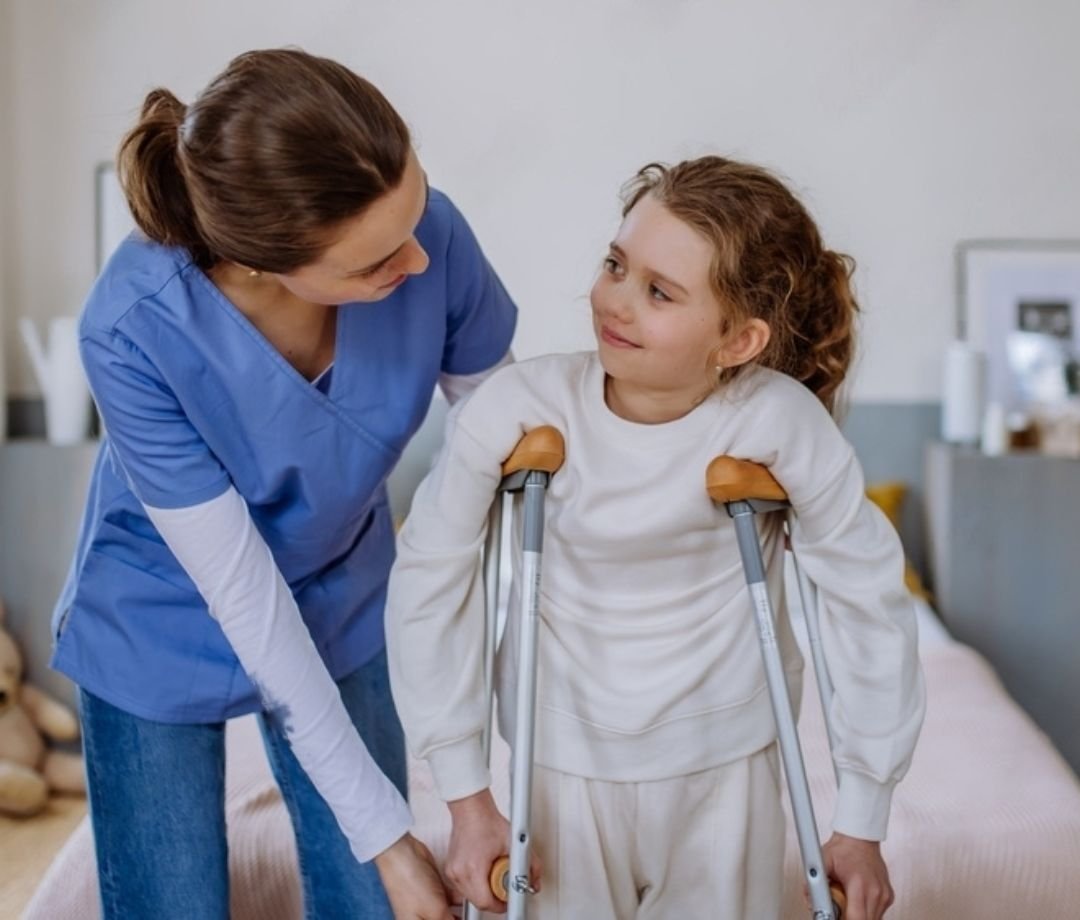
Rehabilitation: Following treatment, rehabilitation is crucial for pediatric patients to regain function, strength, and mobility. Physical therapy is often prescribed to facilitate recovery and prevent complications like stiffness or muscle weakness.
Psychological Support: Pediatric trauma can be emotionally challenging for both the child and their family. Providing emotional support and reassurance during the healing process is essential for a positive outcome.
Prevention: Preventive measures, such as using appropriate safety gear during sports activities, ensuring a safe home environment, and educating children about potential risks, can help reduce the incidence of pediatric orthopedic trauma.
Arthroscopy
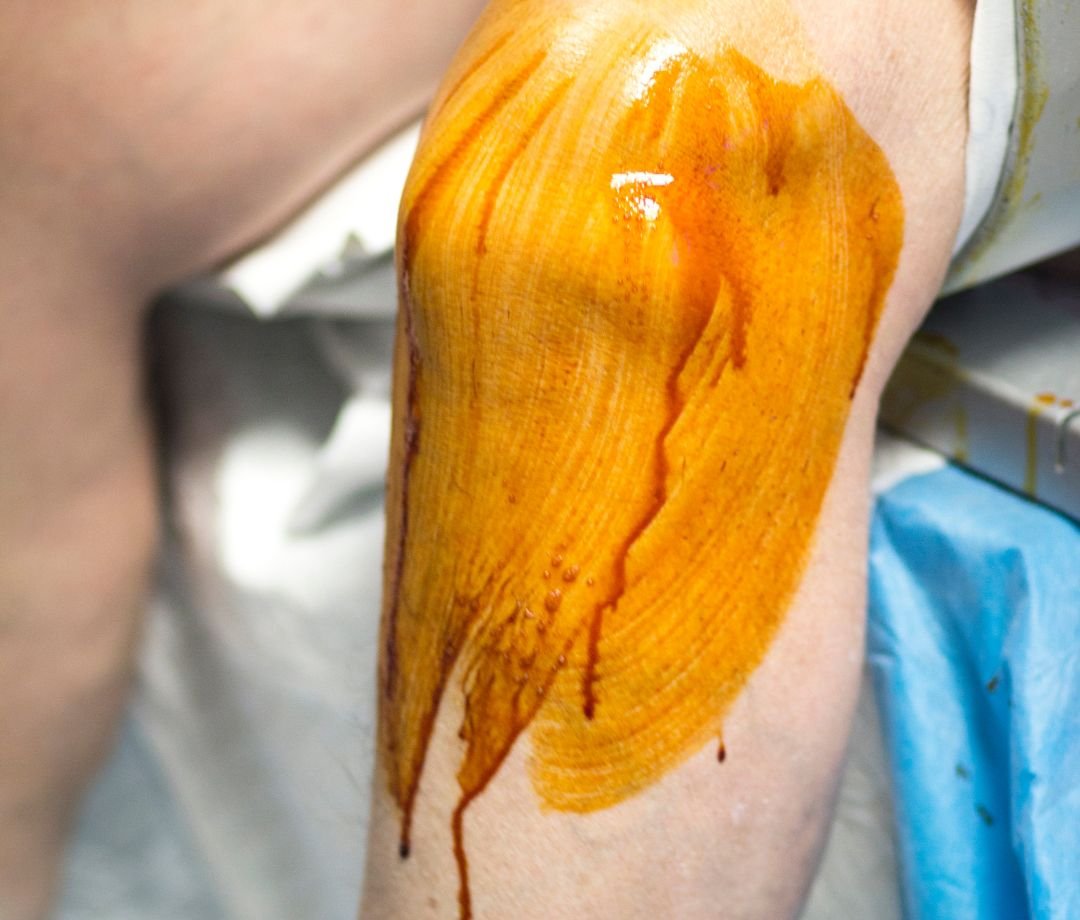
Arthroscopy is commonly used in orthopaedics (orthopaedic arthroscopy) to diagnose and treat various joint conditions. Here are some examples of orthopaedic arthroscopy procedures:
Knee Arthroscopy: Knee arthroscopy is one of the most common types of arthroscopic procedures. It is used to diagnose and treat conditions such as meniscal tears, ligament injuries (such as ACL or PCL tears), cartilage damage, and loose bodies within the knee joint.
Shoulder Arthroscopy: Shoulder arthroscopy is performed to assess and treat various shoulder problems, including rotator cuff tears, shoulder impingement syndrome, labral tears (such as Bankart or SLAP tears), and shoulder instability.
Hip Arthroscopy: Hip arthroscopy is a minimally invasive surgery that is used to diagnose and treat hip joint disorders such as labral tears, femoroacetabular impingement (FAI), and cartilage degradation in the hip joint.
Ankle Arthroscopy: Using an ankle arthroscopy, issues such ankle impingement, loose bodies, ligament tears, and cartilage lesions within the ankle joint can be diagnosed and treated.
Elbow arthroscopy is used to diagnose and treat diseases such as tennis elbow (lateral epicondylitis), golfer’s elbow (medial epicondylitis), loose bodies, and cartilage damage in the elbow joint.
During arthroscopy, the surgeon inserts the arthroscope through small incisions and uses a monitor to inspect the interior of the joint. This enables them to see the joint structures, evaluate any abnormalities or injuries, and frequently undertake remedial procedures using specialised surgical devices.
Sports Injury
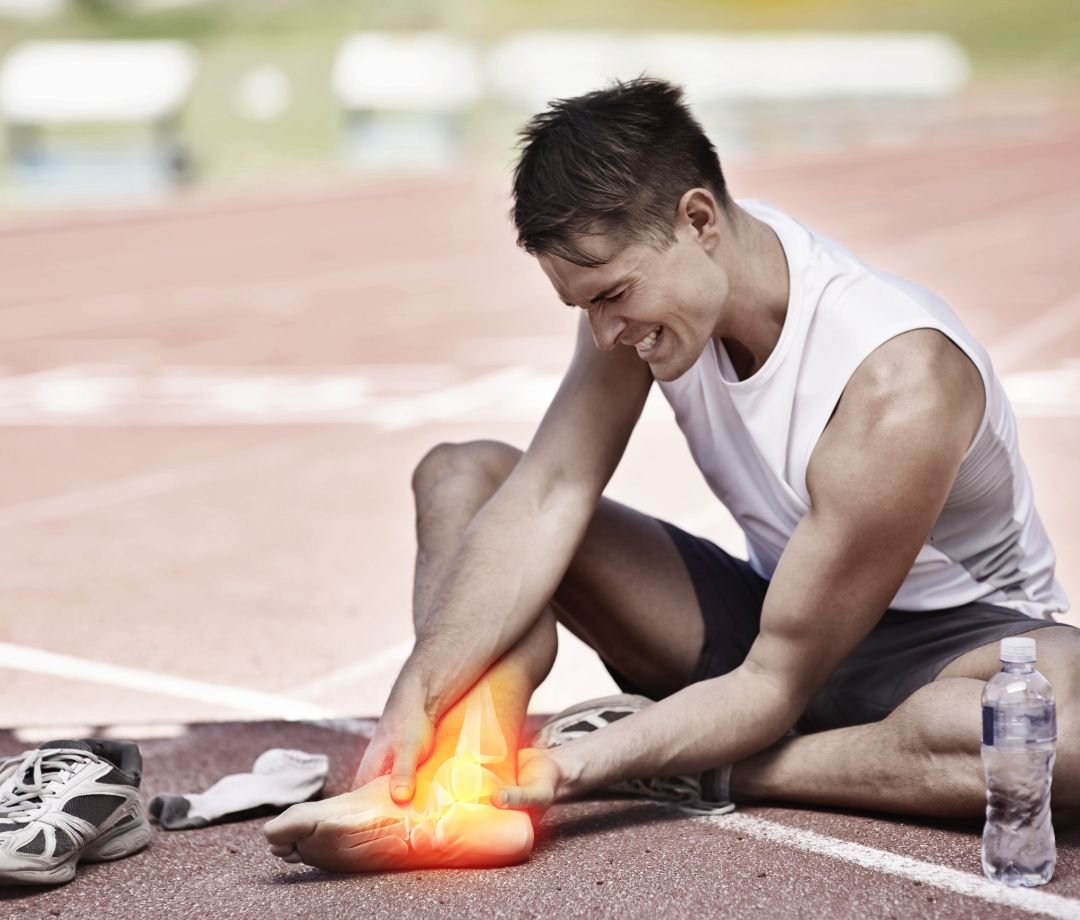
Sports injuries are frequent in orthopaedics and can affect athletes and active people of all ages. Orthopaedic experts Dr Shantanu Kudgir typically treat sports-related injuries and assist patients in recovering and returning to their respective sports or activities.
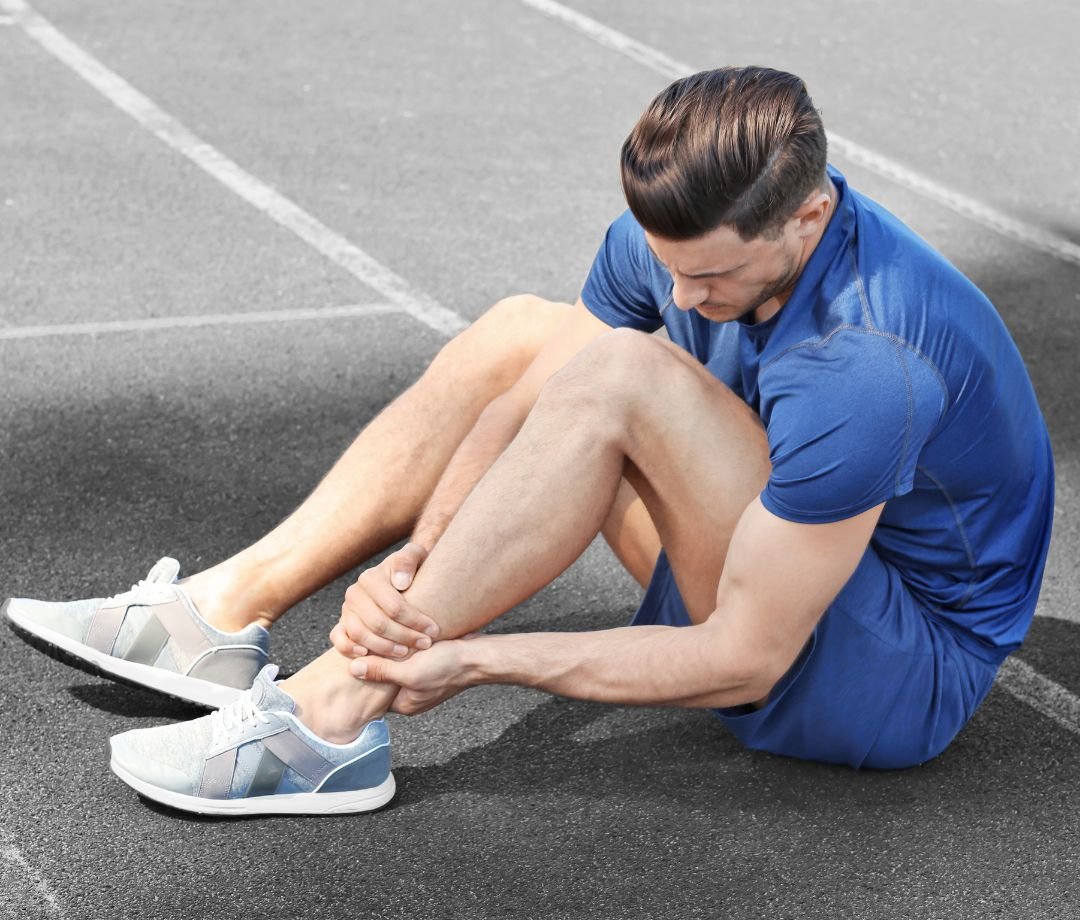
Ligament Sprains and Muscle Strains: Ligament sprains and muscle strains are common sports injuries. Ligament sprains happen when the ligaments that connect bones stretch or rip, whereas muscle strains happen when muscle fibres break or overstretch.
Fractures and joint dislocations : It can occur as a result of high-impact sports or traumatic accidents. These injuries may necessitate rapid medical attention and, in some cases, surgical intervention.
Tendinitis is an inflammation of a tendon that is frequently caused by repetitive actions or overuse. Tendinitis in various portions of the body is common in sports such as tennis, golf, and baseball.
Meniscal Tears: Meniscal tears are common in the knee joint as a result of twisting or rapid pivoting movements, as observed in activities such as soccer, basketball, and skiing.
ACL and MCL Tears: Tears in the anterior cruciate ligament (ACL) and medial collateral ligament (MCL) of the knee are common in sports involving sudden pauses, changes in direction, or direct strikes to the knee.
Rotator Cuff Injuries: Rotator cuff injuries are common in athletes who participate in activities that require overhead motions, such as baseball, swimming, and tennis.
Stress Fractures: Stress fractures are small fissures in the bone induced by repetitive stress or overuse, and are commonly found in long-distance runners or athletes engaged in sports with recurrent impact on the bones.